Cute Boy Baby Fox: A Designer’s Review for Real Projects
As a designer who has spent countless hours digitizing and stitching out machine embroidery designs, I have learned that the difference between a good file and a great one often lies in the details. When I first loaded the Cute Boy Baby Fox design into my software, I was looking for more than just an adorable character. I was evaluating its potential as a versatile asset for my craft business and client projects. This woodland-themed piece promises to add exclusivity to various items, but does it hold up under the needle? Here is my practical assessment of how this digital embroidery file performs in real-world scenarios.
First Impressions and Visual Personality
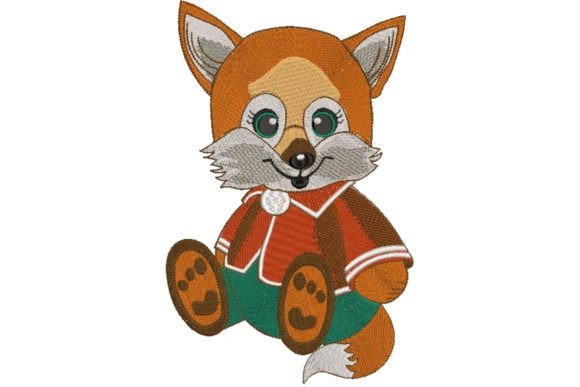
The immediate mood created by the Cute Boy Baby Fox is warm, whimsical, and inviting. In the realm of Woodland Animals, there is a fine line between cute and cluttered. This design manages to strike a balance. The layout feels intentional, with a clear focal point that draws the eye without overwhelming the viewer. For embroidery designers, this is crucial. A design that is too busy can get lost on textured fabrics, while one that is too simple may lack the perceived value customers expect from a handmade product.
The visual personality of this fox suggests a softness that pairs well with organic materials. It does not scream for attention with aggressive lines; instead, it invites a closer look. This makes it an excellent candidate for projects where subtlety and charm are key, such as nursery decor or boutique baby items. When I visualize this embroidery project stitched out, I see clean lines and a friendly aesthetic that appeals to a broad demographic, from new parents to lovers of rustic home decor.
Real-World Application and Versatility
To truly test a design, you must imagine it on actual products. I recently considered using the Cute Boy Baby Fox for a custom order involving a set of personalized gifts for a baby shower. The versatility of this machine embroidery design became immediately apparent. It fits naturally on trendy pillows, where the soft fill stitches would complement the plush fabric. It also works beautifully on tea towels and napkins, adding a touch of whimsy to everyday kitchen linens.
For Etsy sellers and small shop owners, this design offers significant flexibility. Imagine stitching this onto a canvas tote bag. The contrast of the fox against natural cotton creates a striking tote bag design that sells itself. Similarly, on a sweatshirt, the design adds a playful element to custom apparel. It is not just limited to soft goods; I can see this working as an embroidered patch on a denim jacket or a cap, provided the hoop size allows for the necessary detail.
The description mentions suitability for wall art and makeup bags. For wall art, the design’s clarity ensures it remains visible from a distance, making it a strong choice for nursery decorations. For smaller items like makeup bags, the scale must be checked carefully, but the inherent cuteness of the fox makes it a high-value addition to any handmade product line.
Technical Considerations for Stitching
While the aesthetic is strong, the technical execution is where many designs fail. When working with the Cute Boy Baby Fox, attention to stitch density is paramount. If the design relies heavily on fill stitch areas, it may pull on lightweight fabrics. I recommend testing this on scrap fabric first, especially if you are using thin materials like voile or lightweight cotton for baby clothes.
For those using satin stitch borders or details, ensure your machine is properly threaded and tensioned. Satin stitches can snag if the thread quality is poor or if the stabilizer is insufficient. Speaking of stabilizer, always use the appropriate type for your fabric. For stretchy fabrics like those used in t-shirts or sweatshirts, a cut-away stabilizer is essential to prevent distortion. For woven fabrics like tea towels, a tear-away may suffice, but a test run is non-negotiable.
Dark fabrics present another challenge. The thread colors chosen for this design must contrast well with the background. If you are stitching on navy or black, consider using lighter shades or adding a white underlay to make the fox pop. Always check your design in a black-and-white mockup to ensure the values translate correctly before you commit to stitching.
Where to Use Caution
Not every surface is ideal for this design. Curved surfaces, such as the front of a cap, require careful hooping and possibly a smaller version of the design to avoid distortion. If the hoop size is too large for the curve, the fabric may shift, leading to misaligned stitches. Additionally, tiny details can get lost if the design is scaled down too much. If you plan to use this on small items like coin purses or infant booties, verify that the smallest elements remain distinct.
Dense stitch areas can also be problematic on garments that need frequent washing. High-density stitching can make the fabric stiff and uncomfortable against the skin. For baby embroidery projects, comfort is key. Ensure that the back of the stitching is clean and that no loose threads will irritate sensitive skin. Trimming jump stitches and using a soft backing can mitigate this issue.
Enhancing Brand Value and Customer Trust
From a business perspective, the quality of your digital embroidery file directly impacts your brand consistency. A well-stitched Cute Boy Baby Fox signals professionalism. It tells customers that you care about the details. This builds trust and encourages repeat business. Whether you are selling finished products or offering design assets to other makers, the clarity and appeal of this design can enhance your portfolio.
For commercial embroidery projects, licensing is critical. Before selling any finished product featuring this design, confirm the license terms provided with the file. Most designers allow commercial use for physical items, but restrictions may apply to digital resale. Always read the fine print to protect your business.
Practical Tips for Best Results
- Test on Scrap Fabric: Never stitch a new design directly on your final product. Use similar fabric and stabilizer to check for issues.
- Check Thread Contrast: Ensure your thread colors stand out against the fabric, especially on dark or patterned materials.
- Review Stitch Density: If the design feels too dense, consider adjusting settings or using a lighter weight fabric.
- Confirm Hoop Size: Make sure your machine’s hoop can accommodate the design dimensions without crowding.
- Inspect Small Details: Zoom in on your software to check for tiny elements that may not stitch out cleanly.
- Use Proper Stabilizer: Match the stabilizer to the fabric type to prevent puckering or distortion.
In conclusion, the Cute Boy Baby Fox is a charming and versatile addition to any embroidery library. With careful attention to technical details and thoughtful application, it can elevate your craft business offerings and delight your customers. Whether for a holiday embroidery gift or a year-round bestseller, this design has the potential to become a staple in your creative toolkit.