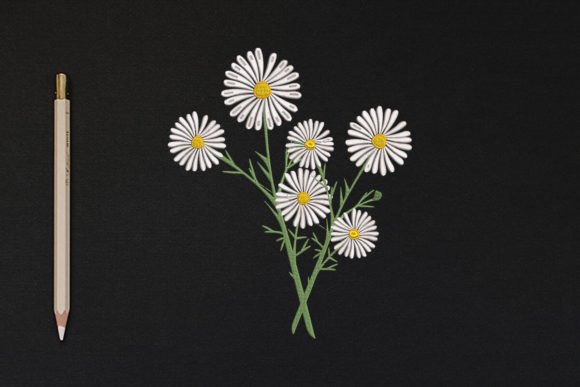
Flower Plant: A Designer’s Review for Craft Fair Success
As an embroidery designer who has spent countless weekends behind a booth table, I know that not every design translates into a bestseller. Some look beautiful on a screen but vanish in a crowded market setting. Others are so dense they take hours to stitch, killing your profit margin. Today, I am putting the Flower Plant machine embroidery design under the microscope. This isn't just about aesthetics; it is about viability for the modern handmade entrepreneur.
The product description promises to "add a touch of charm" with a "fun and whimsical accent." For those of us selling craft fair products, "whimsical" is a powerful keyword. It suggests approachability and joy, two emotions that drive impulse buys at local markets. But does Flower Plant deliver on that promise when stitched out on real fabric? Let’s break it down from the perspective of production, display, and sales potential.
First Impressions: Whimsy Meets Versatility
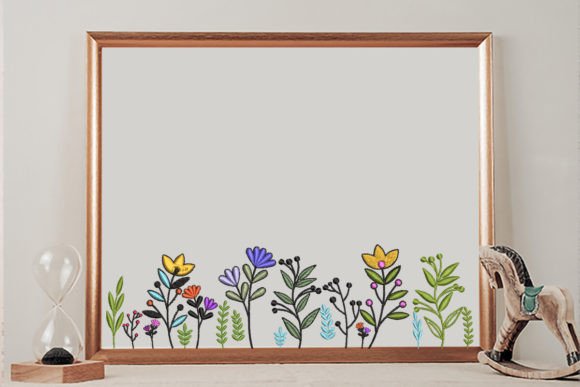
When I first loaded the digital embroidery file for Flower Plant, my immediate impression was one of balanced simplicity. In the world of Bouquets and floral Embroidery, there is a fine line between elegant and cluttered. This design leans toward the latter side of minimalism, which is exactly what you want for a versatile small shop product. It doesn’t scream for attention with excessive detail; instead, it invites the viewer to look closer.
The "cool" factor mentioned in the description likely stems from its adaptability. It doesn’t feel strictly farmhouse or rigidly modern. This neutrality is a asset. It means you can pair it with rustic linen for a boho vibe or bright cotton for a playful, contemporary look. For an Etsy seller or boutique maker, this flexibility allows you to target multiple customer avatars with a single design asset.
Product Applications: Where Flower Plant Shines
The true test of any machine embroidery design is how it performs across different substrates. Based on the description’s suggestion of t-shirts, towels, and home decor, here is how I see Flower Plant performing in a real-world retail environment.
- Tote Bag Design: This is arguably the strongest application. A canvas tote provides a large, flat surface where the whimsical nature of the plant can breathe. It becomes a focal point without overwhelming the bag’s utility. Customers love personalized or uniquely decorated totes, making this a high-margin item.
- Tea Towel Embroidery: Kitchen textiles are staple sellers. The design’s charm fits perfectly here. However, you must be mindful of the fabric texture. Terry cloth or waffle weave can distort small details. I recommend testing on flat-weave linen or cotton for the crispest result.
- Apron Embroidery: An embroidered apron feels premium. Placing Flower Plant on the bib or the lower corner adds a professional, boutique touch. It elevates a basic garment into a giftable handmade product.
- Embroidered Patch: If the design scales down well, turning it into an iron-on or sew-on patch is a brilliant move. Patches are low-cost, high-volume items that appeal to younger demographics and DIY enthusiasts.
- Caps and Curved Surfaces: While possible, stitching on caps requires precision. The whimsical lines must remain clear despite the curve. This is advanced territory; ensure your hoop setup is secure to avoid puckering.
Production Practicality and Batch Selling
For craft fair vendors, time is money. You cannot spend three hours stitching one item if you only sell it for twenty dollars. The description notes that the design comes as a machine embroidery file, but it does not specify stitch count. This is a critical missing piece of data. Before committing to a full production run, you must open the file in your software to check the stitch density.
If the density is too high, you risk needle breaks and thread snaps, especially on stretchy fabrics like t-shirts. If it is too low, the backing fabric might show through, looking cheap. Ideally, Flower Plant should have a moderate density that allows for quick stitching while maintaining coverage. Look for a design that stitches out in under 30 minutes for optimal profitability on small items like pouches and patches.
Another consideration is repeatability. Can you stitch ten of these in a row without constant trimming or adjustment? Designs with many jump stitches or complex color changes slow you down. If Flower Plant uses a limited palette of thread colors, it is ideal for batch production. Stick to 2-3 colors max for efficiency.
Visual Appeal and Customer Engagement
In a busy craft fair aisle, you have seconds to catch a buyer’s eye. Flower Plant works best when used as a statement piece on a neutral background. Contrast is key. If you are using dark thread, use light fabric, and vice versa. This ensures the "fun and whimsical accent" is visible from three feet away.
For online listings, this design photographs beautifully because of its clean lines. Create a printable mockup or stage real photos with natural light. Show the design in context: a towel hanging on a rack, a tote bag slung over a chair. This helps the customer visualize the finished product in their own home. High-quality images combined with a charming design significantly boost conversion rates for commercial embroidery businesses.
Careful-Use Notes and Technical Checks
Before you list Flower Plant in your shop, heed these technical warnings to protect your brand reputation:
- Check Hoop Size: The description does not state the required hoop size. Verify this immediately. If it requires a 5x7 hoop but you only have 4x4 machines, you cannot produce it without resizing, which may distort the aspect ratio.
- Stabilizer Selection: Always use the right stabilizer. For knit fabrics like t-shirts, use a cut-away stabilizer to prevent stretching. For woven towels, a tear-away might suffice, but test first to ensure no residue remains.
- Small Details: Inspect the design at 100% zoom. Are there tiny leaves or thin stems? These can get lost on textured fabrics like terry cloth. If so, reserve the design for smooth cottons or linens.
- Commercial Licensing: The prompt mentions "commercial embroidery" implicitly by discussing sales. Ensure you have the correct license for the digital embroidery file. Most designers allow finished product sales but prohibit sharing the file itself. Confirm these terms to avoid legal issues.
- Test on Scrap: Never skip the test stitch. Run the design on the exact fabric you plan to sell. Check for puckering, thread breaks, and color blending.
Final Verdict for the Handmade Entrepreneur
Flower Plant has the potential to be a staple in your product lineup. Its whimsical nature appeals to a broad audience, and its suggested applications align with high-demand craft fair items. However, success depends on execution. By carefully managing stitch density, choosing high-contrast thread combinations, and selecting the right fabrics, you can transform this simple embroidery file into a profitable revenue stream.
Remember, the goal is not just to stitch a design, but to create a handmade product that brings joy. If Flower Plant makes your customers smile when they see it on a tote or towel, you have done your job. Start with a small batch, gather feedback, and let the design grow your business organically.